Why We Use Nigerian Dwarf Goat Milk in Our Skincare Products
We milk our Nigerian Dwarf goats twice a day here at The Hudstead, and their milk goes straight into every bar of soap and bottle of skincare we make. People often ask why we chose this particular breed when there are larger dairy goats that produce more milk per animal. The answer comes down to what's in the milk itself.
Nigerian Dwarf goat milk is different from the milk of standard dairy breeds, and those differences matter when you're putting it on your skin.
What Makes Nigerian Dwarf Goat Milk Different
Nigerian Dwarf goats are small. A full-grown doe weighs between sixty and eighty pounds, compared to a standard dairy goat that can weigh twice that. They produce less total milk per day, but what they give us is richer.
The butterfat content in Nigerian Dwarf milk runs between six and ten percent. Standard dairy goat breeds produce milk with three to four percent butterfat. That extra fat matters in soap because it's what creates the creamy lather and leaves your skin feeling soft instead of tight after you rinse.
The protein content is higher too. More protein means a harder bar that lasts longer in the shower and produces a denser foam. When we first started making soap with milk from our Nigerian Dwarfs, we noticed our bars lasted nearly twice as long as goat milk soaps we'd tried from other farms using different breeds.
Small Goats, Better for Small-Batch Production
We're not a factory. We make soap in our kitchen in batches small enough that we can check every bar. Nigerian Dwarfs fit the scale of what we do.
A Nigerian Dwarf doe in good milk gives us about a quart per milking, sometimes a bit more. That's exactly the amount we need for a batch of soap without waste. We don't have to figure out what to do with gallons of extra milk or worry about storage. What we get in the morning goes into soap that afternoon.
The size of the goats themselves matters when you're working on a family farm. They're easier to handle, especially when we're teaching our kids how to help with milking and care. They eat less, which means we can keep a larger herd on our acreage without overgrazing. More goats means more genetic diversity and healthier animals overall.
Gentler Milk for Sensitive Skin
Goat milk soap is popular with people who have sensitive skin, eczema, or psoriasis. We hear from customers regularly who tell us our soap is the only one that doesn't irritate their skin or their children's skin.
Goat milk contains lactic acid, which gently removes dead skin cells without harsh scrubbing. It has vitamins A, D, and B6, along with minerals like selenium. People with inflammatory skin conditions often choose goat milk products because the milk has a pH close to human skin.
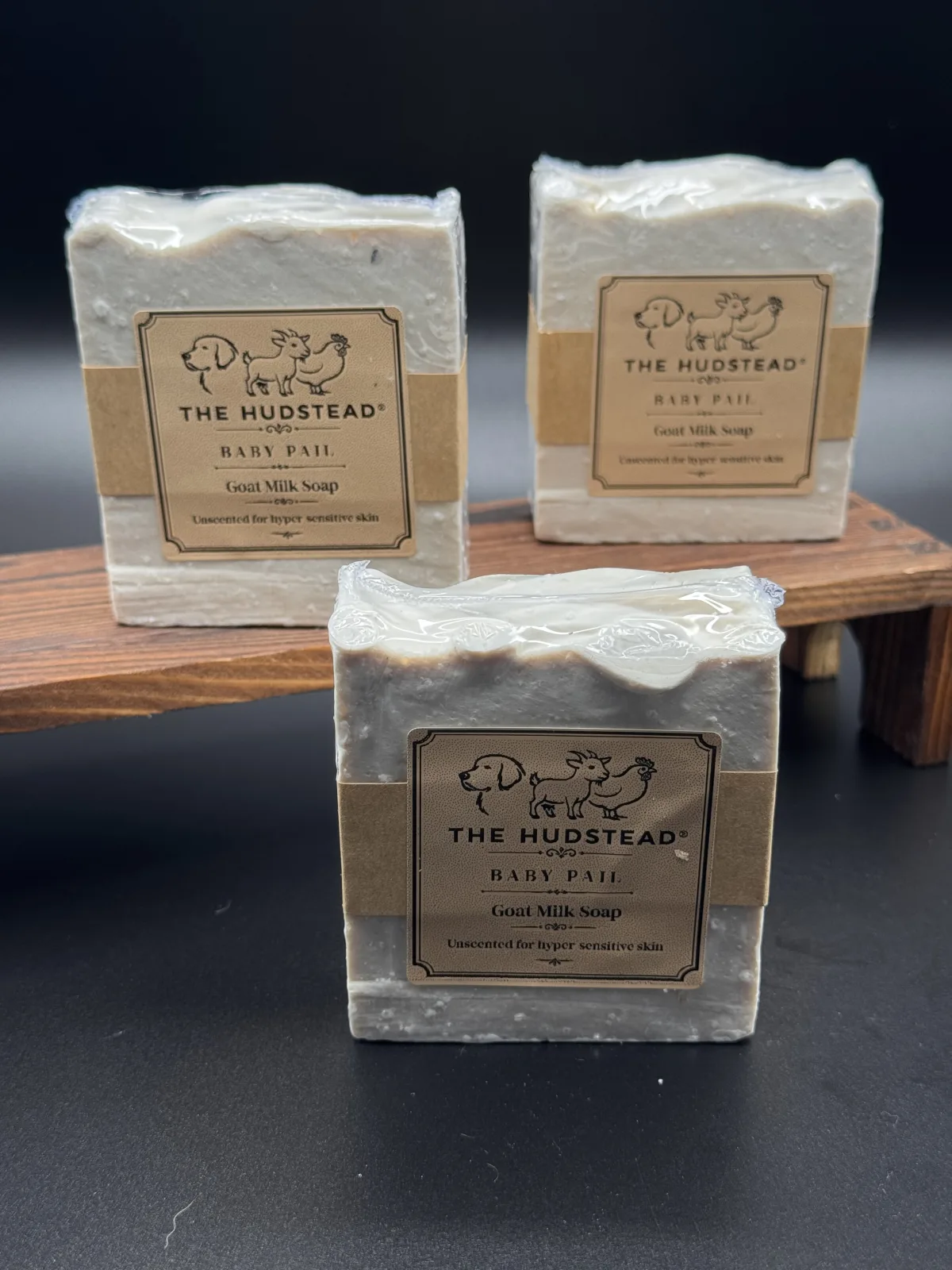
The higher fat content in Nigerian Dwarf milk means more of those beneficial fats make it into the finished bar. When you wash with our Baby Pail Unscented soap or any of our other bars, you're getting the full benefit of that rich milk.
We Know What Our Goats Eat
Our Nigerian Dwarfs browse on our pasture and get hay we know the source of. We don't use growth hormones or routine antibiotics. When a goat needs medical treatment, we withhold her milk from soap production until the withdrawal period is complete.
What a goat eats affects her milk, and her milk goes directly onto your skin. We want to know exactly what that chain looks like from start to finish. With a small herd of Nigerian Dwarfs, we can.
We handle every milking ourselves. We know which goat gave the milk in every batch of soap. If someone has a question about a bar they bought, we can tell them which goats contributed to it and what those goats were eating that week.
The Real Reason We Chose This Breed
Five years ago when we moved to Great Falls and started planning this farm, we tried soap made with Nigerian Dwarf milk and soap made with milk from larger breeds. We tested them side by side for months. The Nigerian Dwarf milk soap felt better on our skin. It lasted longer. It lathered richer.
We could have gone with a breed that gave us more volume and faster growth. We chose the breed that gave us better soap, even though it meant milking more goats to get the same amount of milk.
That decision shows up in products like Field Hand soap for working hands, Purple Fields with lavender from farms we know, and Cold Creek for mornings when you need to wake up. Every bar gets the benefit of milk from goats bred for richness instead of volume.
Questions People Ask
How much milk does one Nigerian Dwarf goat produce?
A Nigerian Dwarf doe in good milk typically produces about a quart per milking, twice a day. That's less total volume than a standard dairy goat, but the milk is richer in butterfat and protein. We work with the amount our goats naturally produce rather than pushing for maximum volume.
Does the breed of goat really change how soap feels on skin?
Yes. The butterfat and protein content in the milk directly affect the finished soap. Nigerian Dwarf milk has roughly double the butterfat of other dairy goat breeds, which creates a creamier lather and leaves skin feeling softer. Higher protein content also makes a harder, longer-lasting bar.
Why not just use cow milk or skip the milk entirely?
Goat milk has smaller fat molecules than cow milk, which means it absorbs into skin more easily. The pH of goat milk is also closer to human skin than cow milk. We could make soap without milk, but we wouldn't get the same creamy texture or the skin-soothing properties people tell us they notice. We use Nigerian Dwarf milk specifically because we believe it's the best option for the kind of soap we want to make.