Why We Use Argan Oil in Our Goat Milk Soap
We add cold-pressed argan oil to our goat milk soap because it works. It moisturizes without heaviness and brings something shelf-stable oils can't match. We did not add it because it sounds fancy. We added it because after five years of making soap on our farm in Great Falls, we know what people notice when they wash.
Argan oil comes from the kernels of argan trees in Morocco. The traditional method involves cracking the nuts by hand and cold-pressing the oil without heat or chemicals. That preserves what makes argan oil different from the dozen other oils we could use.
What argan oil does in soap
Argan oil contains fatty acids that match what human skin already makes. It absorbs quickly and does not sit on top of your skin like a film. People with dry skin often choose products with argan oil because it hydrates without clogging pores. People with oily skin use it for the same reason.
When we make soap, oils go through saponification. That process turns them into something new. But argan oil contributes specific qualities even after that change. It makes a bar that rinses clean and leaves skin softer without feeling coated.
We pair argan oil with raw Nigerian Dwarf goat milk from our own herd. The milk adds natural fats and lactic acid. Together they make a bar that works for hands that wash dishes all day or skin that reacts to everything.
Why cold-pressed matters
Heat and chemical extraction pull more oil from the kernels, but they damage the compounds that make argan oil worth using. Cold-pressing yields less oil and costs more. It also keeps the vitamin E and polyphenols intact.
We use cold-pressed argan oil in bars like First Light because we make small batches and we control what goes in them. If an ingredient does not earn its place, we do not use it to fill space on a label.
Argan oil across our product line
You will find argan oil in several of our soaps:
- First Light: Raw goat milk and cold-pressed argan oil with nothing competing for attention
- Field Hand Goat Milk Soap: Built for working hands that need moisture after a long day
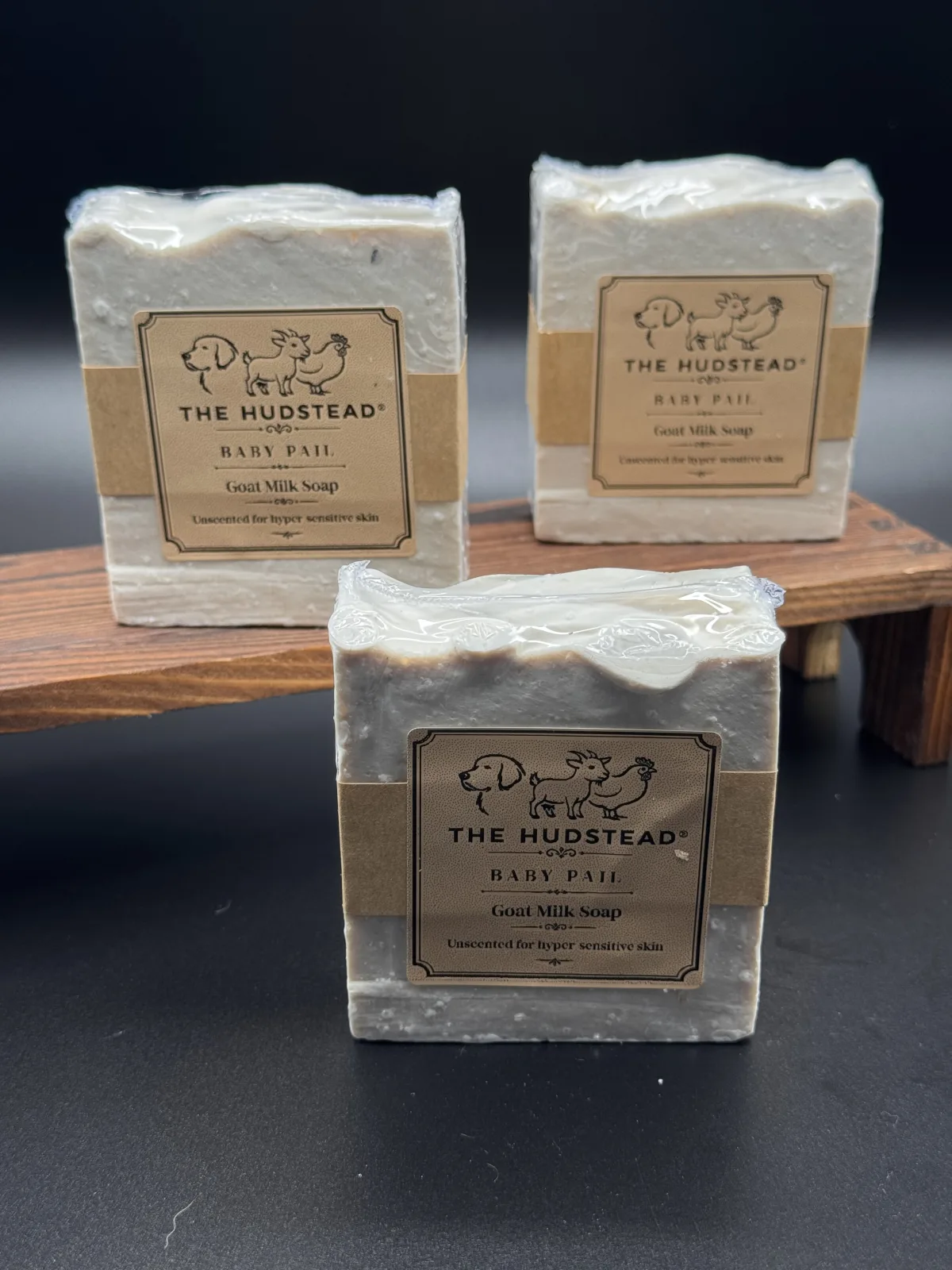
- Baby Pail Unscented Goat Milk Soap: Gentle enough for the youngest skin in your house
We also add it to Field Hand Beard Oil because facial hair needs the same fatty acids that skin does, and argan oil delivers them without grease.
What argan oil does not do
Argan oil will not cure a skin condition. It will not reverse aging or erase scars. We do not make those claims because they are not true.
What it does is moisturize effectively and rinse away cleanly. People with eczema, psoriasis and sensitive skin often look for products with argan oil because it does not irritate the way synthetic fragrance or harsh detergents do. That is why they choose it, not because it treats their condition.
If you have a diagnosed skin issue, talk to your doctor. If you want soap that does not make things worse, that is what we make.
How we source it
We buy cold-pressed argan oil from suppliers who verify their production methods. We do not press it ourselves because we are not in Morocco and we raise goats, not argan trees. We verify what we buy and we use it in quantities that make a difference in the bar.
Some soap makers add a drop of an expensive oil so they can list it. We add enough for you to feel it when you wash. Our batches are small enough that we can do that without pretending we are a corporation.
Why we pair it with goat milk
Goat milk and argan oil both bring fats to a soap recipe, but they bring different kinds. Goat milk adds creaminess and lactic acid that gently loosens dead skin. Argan oil adds linoleic acid and oleic acid that absorb into living skin.
The milk comes from our Nigerian Dwarf goats. We milk them, we cool the milk immediately, and we use it raw in our soap. That keeps the natural enzymes and fats intact. Combined with argan oil, it makes a bar that cleanses and moisturizes at the same time instead of doing one at the expense of the other.
What you will notice
When you use soap made with argan oil and goat milk, you will notice your skin feels clean but not tight. You will notice the bar rinses off completely without leaving residue in the tub. You will notice your hands do not crack as easily in winter.
You might not notice the argan oil specifically. That is the point. It does its work quietly. We did not add it to make the label look better. We added it because after years of testing recipes on our own hands, it made the soap work better.
Questions people ask
Does argan oil make soap go rancid faster?
Argan oil has a shelf life shorter than some oils but longer than others. We make small batches and sell them within months, not years. Properly made soap with argan oil stays fresh for a year or more if you keep it dry between uses. The vitamin E in cold-pressed argan oil actually helps resist oxidation.
Can I use argan oil soap on my face?
Yes. Our unscented Baby Pail soap and First Light bar both work on facial skin. Argan oil absorbs quickly and does not clog pores, which is why people with acne-prone skin often choose it. Goat milk adds gentle cleansing without stripping natural oils.
Why does argan oil cost more than other oils?
Argan trees grow in one region. The kernels require hand-cracking. Cold-pressing yields less oil than chemical extraction. All of that means argan oil costs more to produce and more to buy. We use it anyway because the result in the soap justifies the cost. You are paying for what works, not for what sounds impressive.